
A Farming System Rooted in Resilience
Introducing MFS Ha Chepeseli
Scope of work
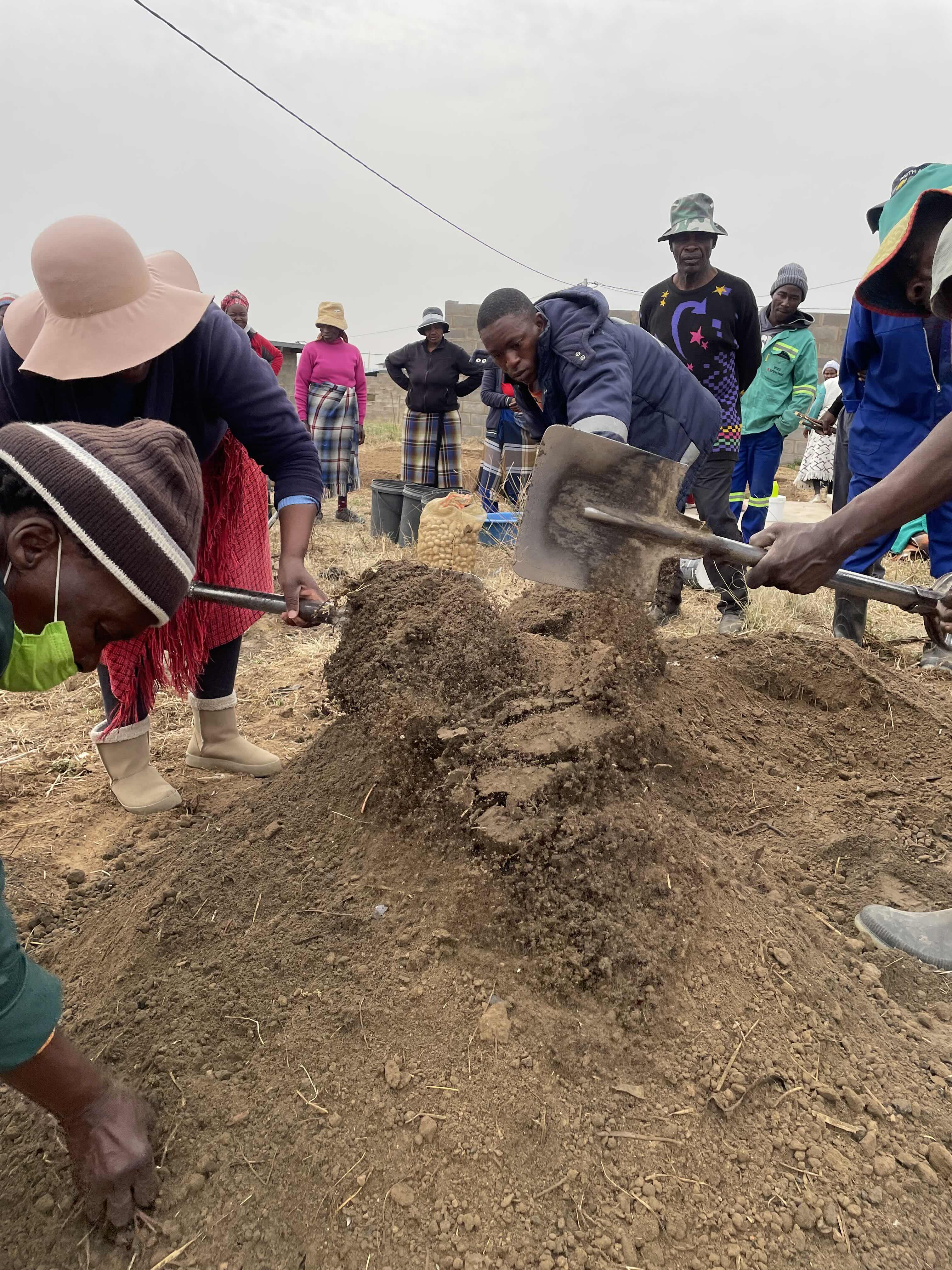
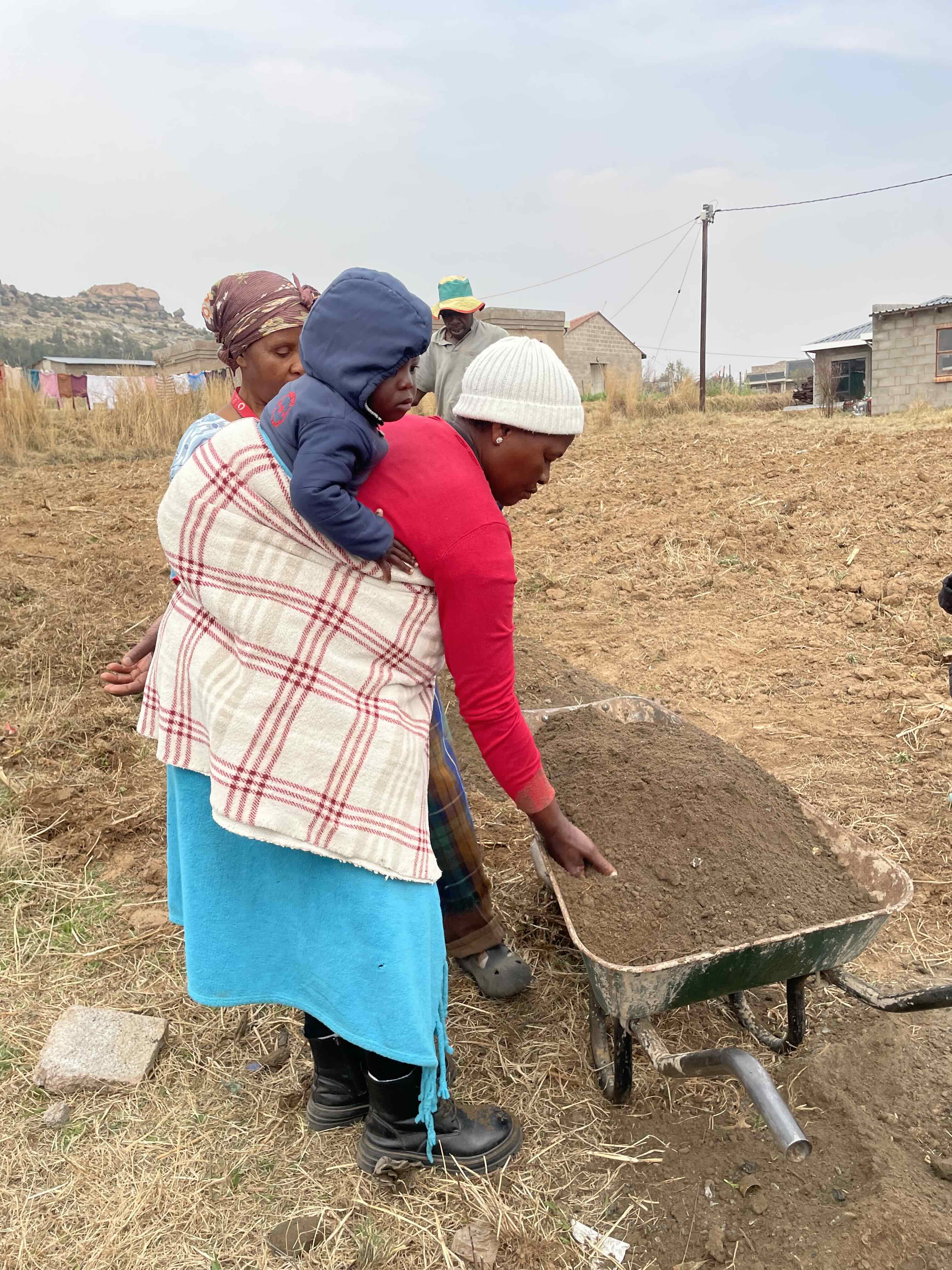
Field Work
,
MFS Training
Location
Ha Chepeseli
Impact
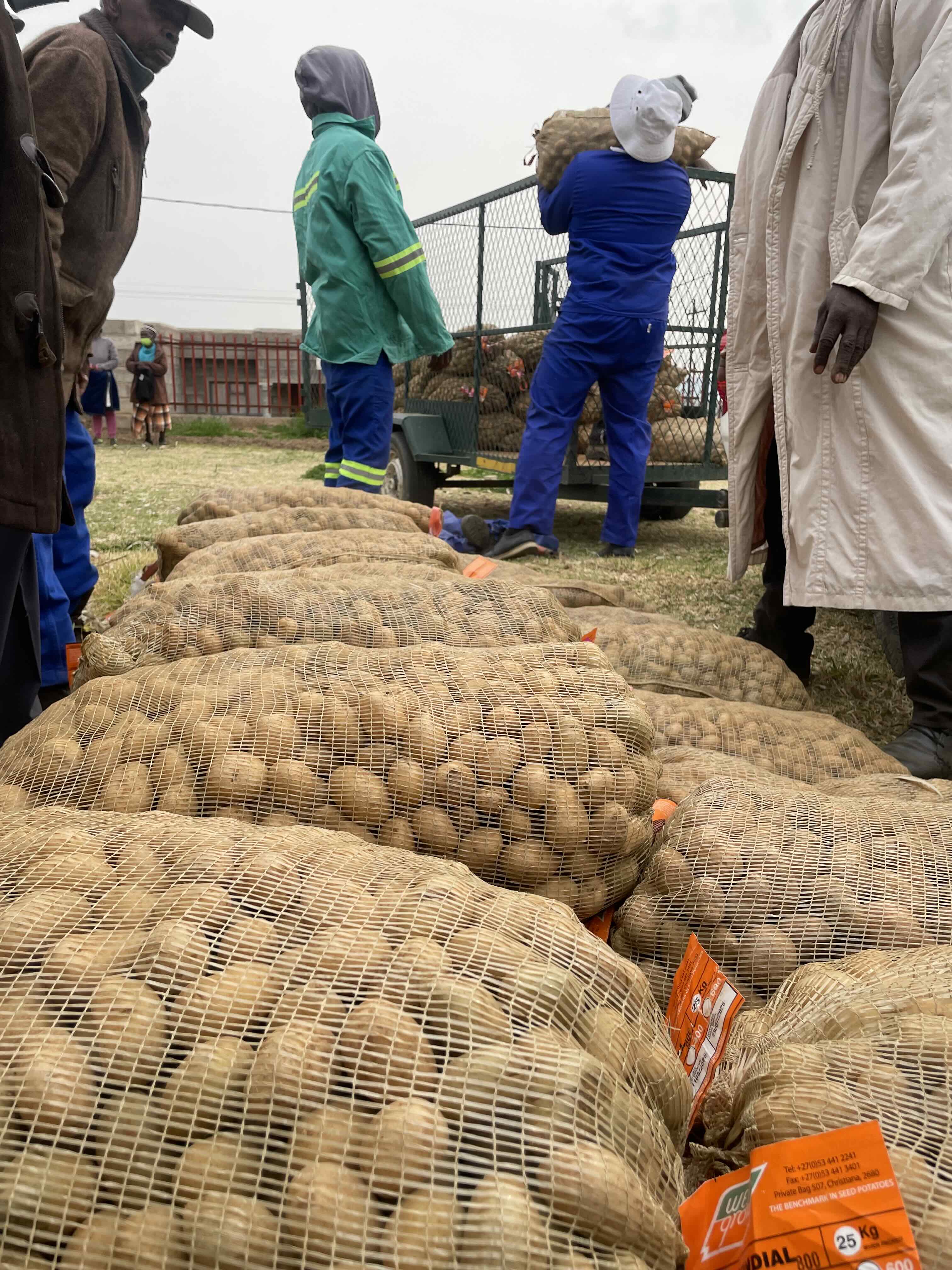
20 Bags of Potato Seed
Activity
Field Training Case Study: Introducing the Machobane Farming System in Ha Chepeseli
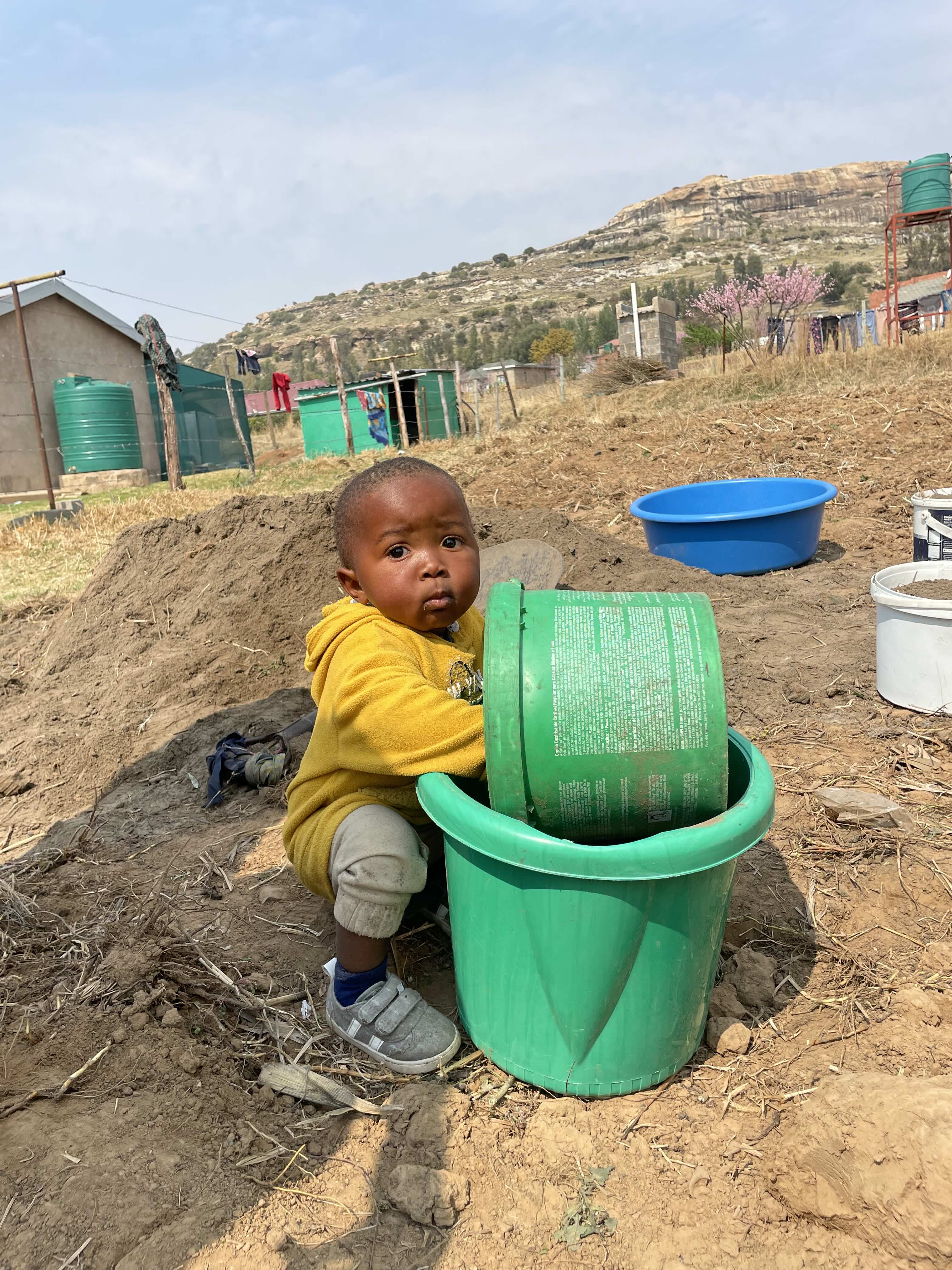
In the scenic highlands of Lesotho, the MADF took an important step toward addressing the ongoing poverty and food insecurity faced by many rural communities. Our team facilitated a hands-on field training session in Ha Chepeseli, introducing local farmers to the Machobane Farming System (MFS)—a sustainable, organic approach rooted in indigenous knowledge and designed to reduce reliance on expensive fertilisers, GMOs, and external inputs.
This training marked the beginning of a transformative journey for the community.
Why We Begin With Potatoes
As part of the training, farmers planted potatoes using core MFS principles. Potatoes are intentionally selected as the starting crop because:
They grow quickly, offering farmers an early, confidence-building harvest.
They thrive under MFS nutrient practices, especially the use of manure and ash.
They provide both food and income, helping households stabilise while they adopt the system.
They prepare the soil for a productive relay cropping sequence—an essential part of MFS.
By starting with a crop that is resilient and high-yielding, farmers can immediately experience the benefits of the system, reinforcing commitment and long-term adoption.
Learning the Foundations of MFS
During the field session, farmers practiced the fundamentals of the Machobane Farming System, including:
Preparing organic inputs by mixing manure and ash—an affordable, locally available nutrient blend that strengthens soil health and supports strong root development.
Understanding spacing and planting techniques to maximise land use without depleting nutrients.
Working in harmony with the land, observing how soil, moisture, crop rotation, and timing interact to produce sustainable yields.
Discussing the relay cropping method, which allows farmers to harvest multiple crops from the same land throughout the year.
These practices empower farmers to move away from costly inputs and move toward a system that is self-sustaining, environmentally restorative, and rooted in community knowledge.